.png)
"Eat your Vegetables"
- Nina Sol

- Jul 1, 2022
- 4 min read
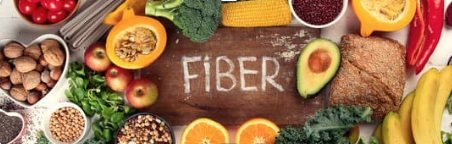
We’ve all been told to “eat your vegetables” and for so long when we were kids , most of us thought that growing up meant we can eat anything we like and not give anyone any account of it. Unfortunately, science has sided with the wisdom of the past, and “eating our vegetables” has become
a way of maintaining longevity as well as physical and mental health.
Fortunately, for those of us who have a childhood aversion to being told what to eat and dislike "eating greens," it's more about increasing the fiber in our diet (also known as roughage) than simply eating green things we may not know how to cook.
Fiber is a dietary component that we cannot digest. As a result, it appears to be of little direct nutritional value to us. That doesn't mean it's not useful. In general, dietary fiber refers to the edible parts of plants or similar carbohydrates that are resistant to digestion and absorption in the small intestine. It typically comes in two varieties:
Soluble Fiber that can be dissolved in water (it is usually found in oats, peas, beans, apples, citrus fruits, carrots, barley, and psyllium)
Insoluble fiber that passes relatively unaltered through the digestive system (typically found in whole-wheat flour, wheat bran, nuts, beans, and vegetables, such as cauliflower, green beans, and potatoes).
Why Is Dietary Fiber So Important?
Although we cannot digest fiber directly, scientific evidence suggests that the millions of bacteria in our microbiome can. The logic behind why eating more fiber (something we can't digest) benefits our health is as follows: Our bodies require a variety of nutrients and enzymes that we cannot produce. The bacterial colonies in our microbiome produce these nutrients and enzymes. These bacteria secrete enzymes that aid in the breakdown and digestion of dietary fiber as it passes through our bodies. It aids in the growth of their population, which leads to an increase in the production of specific nutrients and enzymes by those bacterial populations. These secretions have an effect on us at the cellular level, resulting in a longer lifespan, fewer life-threatening diseases, and better health.
A study conducted by Georgia State University researchers fed mice a diet that was intentionally low in fiber and high in fat [2]. (which is the equivalent of a human junk-food diet). Those mouse populations plummeted as mice died of old age-related illnesses earlier than expected, and younger mice developed physical and mental illnesses.
They discovered that feeding this diet to mice resulted in shorter bowels with a thinner intestinal wall. This allowed bacteria to get much closer to the bloodstream, triggering the immune system and causing chronic inflammations, as well as causing obesity and high blood sugar levels. What's more, a lot of this damage was reversed when they added more roughage, also known as dietary fiber, to their diet. What was more striking was that the control group of mice, which had a high-fiber diet to begin with, gained less weight, aged slower, and was overall much healthier, even when other aspects of the diet were not so 'healthy,' such as a higher percentage of fat or sugar than average. This was due to their gut bacteria having an abundance of dietary fiber to fuel them. As a result, the intestinal walls were thicker, the intestinal tract was longer, and the immune system was stronger.
A strong immune system keeps us healthy. Every type of disease, both internal and external. It protects us from colds and other external pathogenic infections, and it lowers the risk of artery inflammation, which can lead to strokes and heart attacks.
The old adage "an apple a day keeps the doctor away" is actually quite sound. Apples are high in soluble fiber, which is more beneficial to the immune system than insoluble fiber. This is not to diminish the importance of insoluble fiber. In fact, it plays a role in regulating weight, maintaining blood sugar levels, regulating appetite, and regulating the body's metabolism.
To stay healthy, we need to consume 30g of fiber per day. According to studies completed by the American Heart Association, the average fiber intake in the United States is 16g-18g per day.
The Health Benefits of Eating Enough Fiber
The numerous health benefits of eating 30g of fiber each day are:
Normalized bowel movements.
Lower cholesterol levels.
Lower blood pressure.
Less inflammation.
A stronger immune system.
Lower blood sugar levels.
A healthier weight.
A longer life span.
Better brain health.
Decreased risk of a heart attack.
Decreased risk of strokes.
Decreased risk of diabetes 2.
Healthier bones.
Decreased risk of some cancers.
Increased Mineral Absorption.
Food Sources Rich In Fiber
It is not necessary to simply "eat your greens" to get more fiber on a daily basis. Switching to: is the simplest way to significantly increase your daily fiber intake.
Whole wheat bread
Rice (brown)
Pasta made from whole wheat.
Instead of white potatoes, use their "sweet" counterpart. This alone will more than double your fiber intake. If you like your pasta plain, your potatoes unsweetened, and your bread white, start adding these ingredients:
Include a handful of nuts and seeds in one of your daily meals.
Consume at least one fruit per day.
Add a cup of beans, chickpeas, lentils, or peas to any dish.
Every other day, have oats for breakfast.
Dinner should include a colorful salad.
Air-popped popcorn or dark chocolate - both are surprisingly rich in fiber!
Other foods rich in fiber you can incorporate to your daily diet are:
Chia seeds
Quinoa
Broccoli
Artichoke
Carrots
Bananas
Pears
Strawberries
For those winter months when your immune system has to contend with more infectious pathogens think of adding to your daily diet some soluble fiber by having more of these foods:
Dried beans
Oats
Oat bran
Rice bran
Barley
Citrus fruits
Apples
Strawberries
Peas
Potatoes
Brussels sprouts
Flaxseeds


Comments